Process
Eight stations
From log to container
Figures and timings are samples for this showcase.
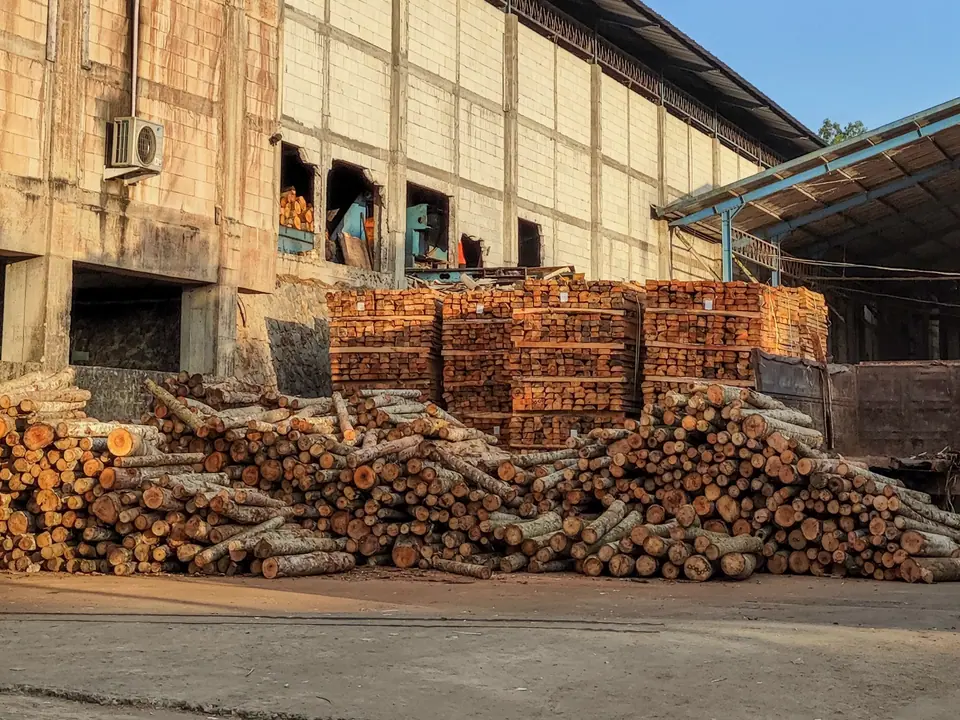
Timber yard
We buy teak and mahogany as logs and as sawn boards from plantation suppliers, and sort every delivery by species and grade. Boards for visible surfaces are set aside from those for hidden parts. The timber legality documents that accompany each delivery are filed against the production order.
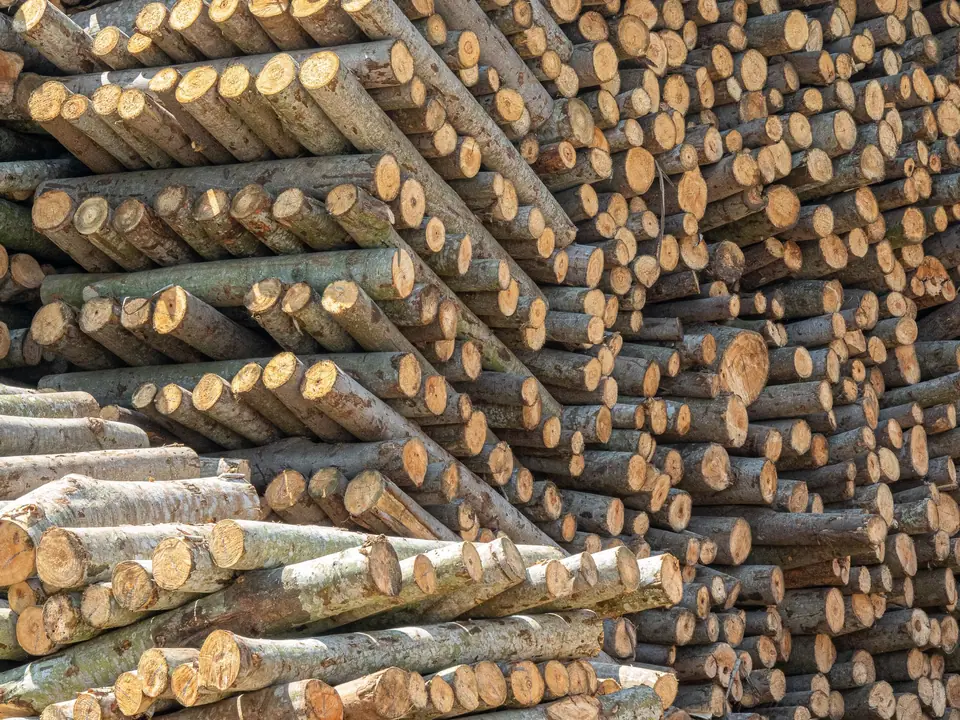
Kiln drying
Stacked with spacers so air moves between boards, timber goes into the kiln until it reaches 10–12 % moisture content, which suits most export destinations. We check with a moisture meter before machining and again before finishing. Wood that is not dry enough moves in transit, so this step is not shortened.
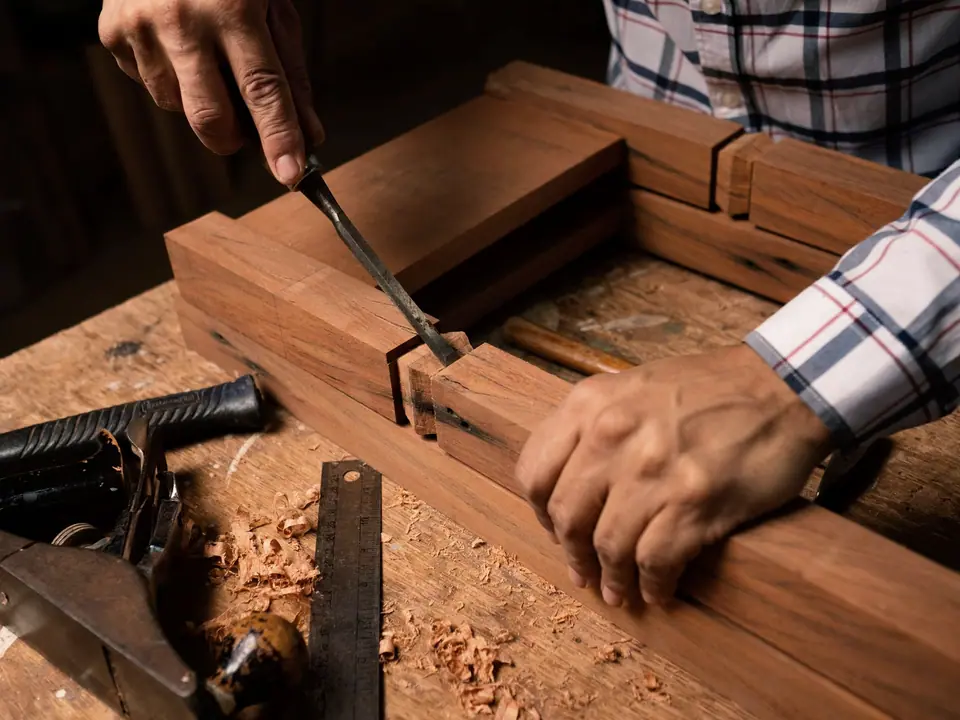
Joinery
Parts are cut, matched for colour and grain, then joined with mortise and tenon wherever the piece carries load. Glue-ups are clamped overnight. Knock-down pieces get steel connectors set into the wood, so they can be assembled again at the destination.
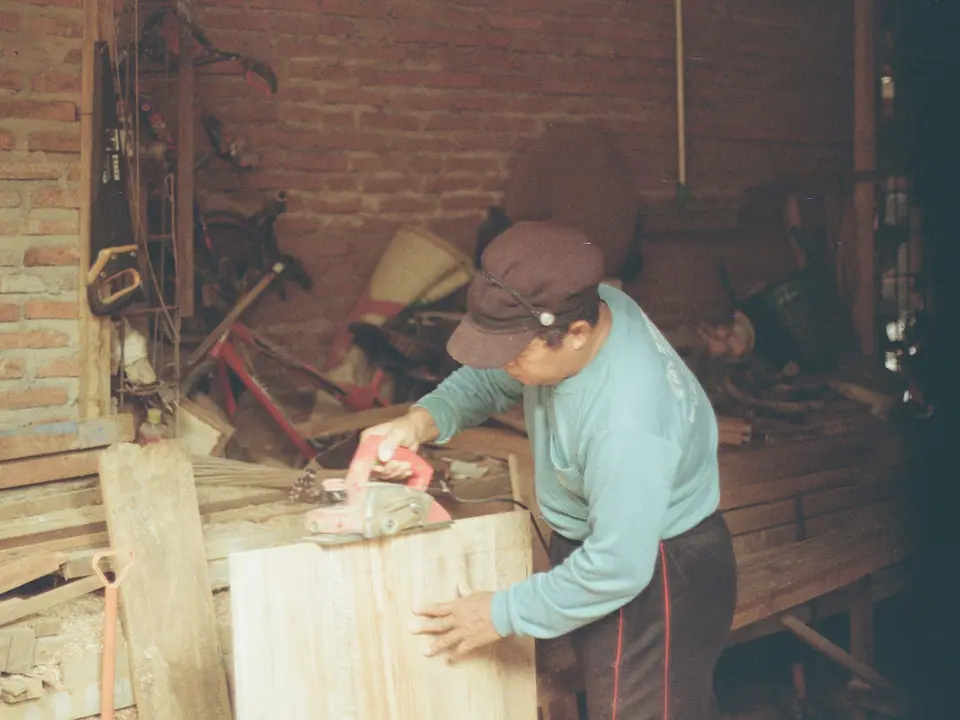
Carving and sanding
Relief panels and carved details are cut by hand with chisels and gouges. Every piece then goes through three sanding grades, finishing by hand on edges and carved surfaces where machines cannot reach.
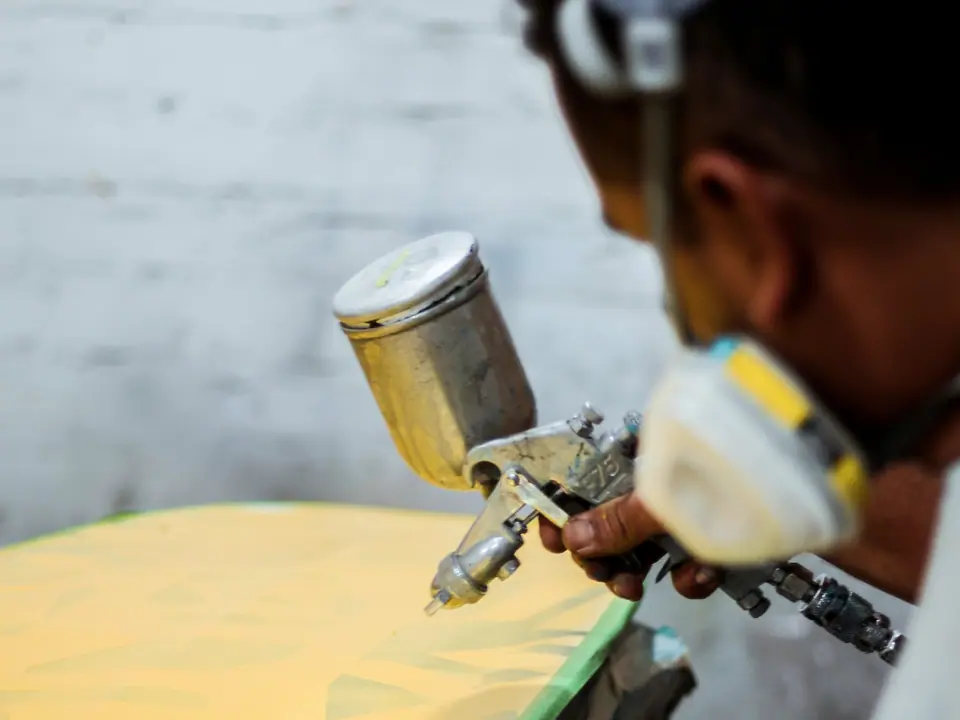
Finishing
Finishes are applied in a separate booth: natural oil, stain, wash or matte lacquer, sprayed or brushed depending on the piece. Each coat is sanded lightly before the next. We keep a finish board for every order so that later shipments match.
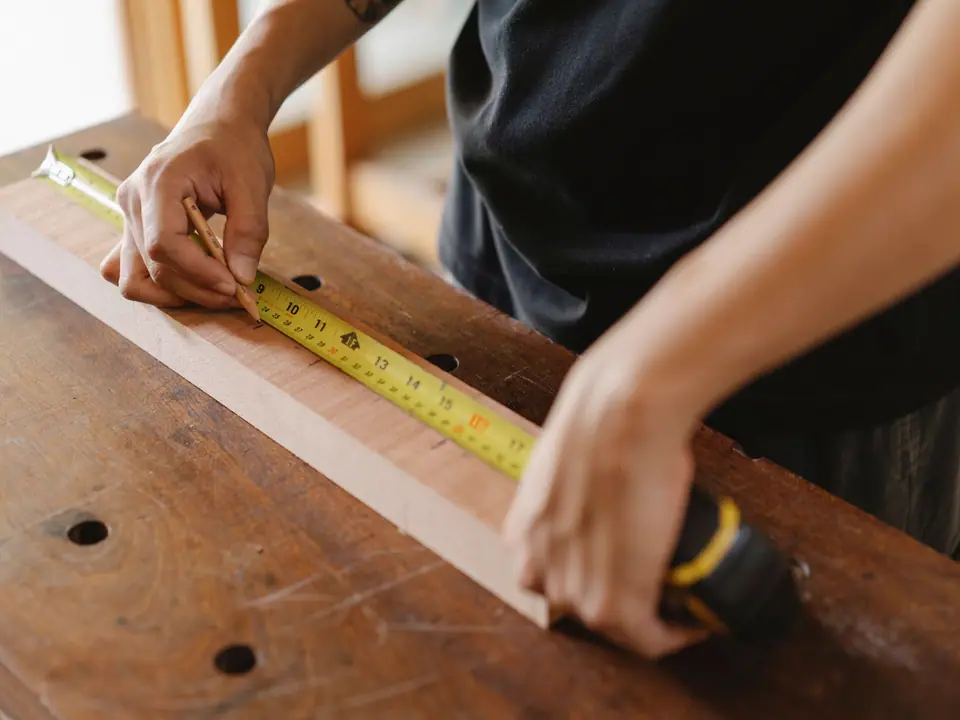
Quality check
Each piece is measured against the drawing, checked for joint gaps, wobble and surface defects, and logged on the order sheet. Pieces that fail are reworked before they reach the packing hall.
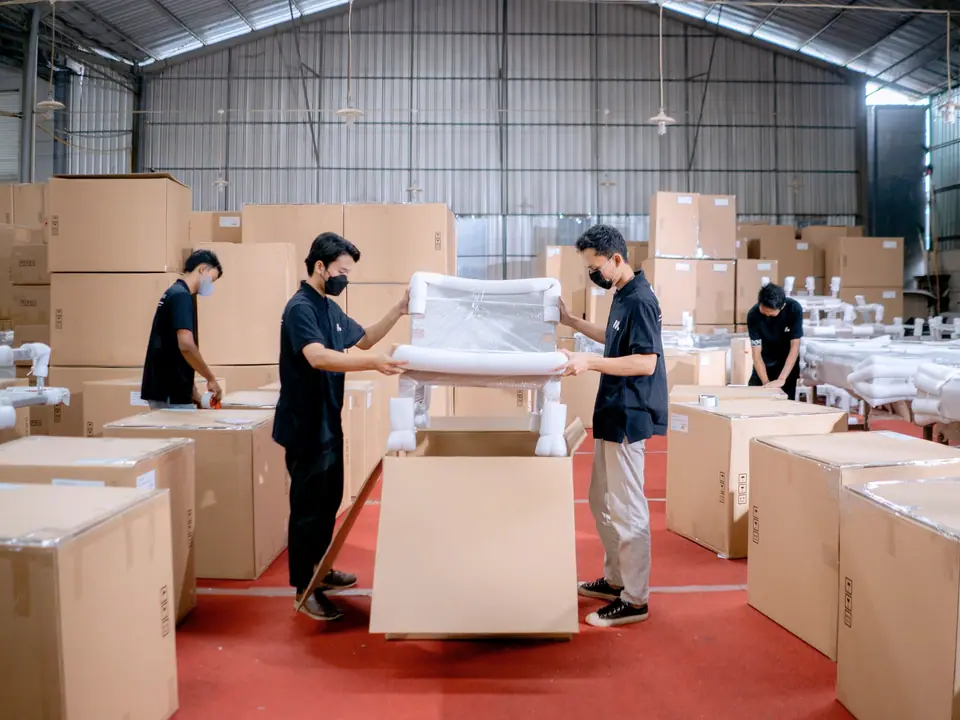
Packing
Pieces are wrapped, fitted with corner guards and packed in cartons or crates sized to the piece. Knock-down fittings are bagged and labelled on the carton. Packing lists record carton counts and cubic metres for each order.
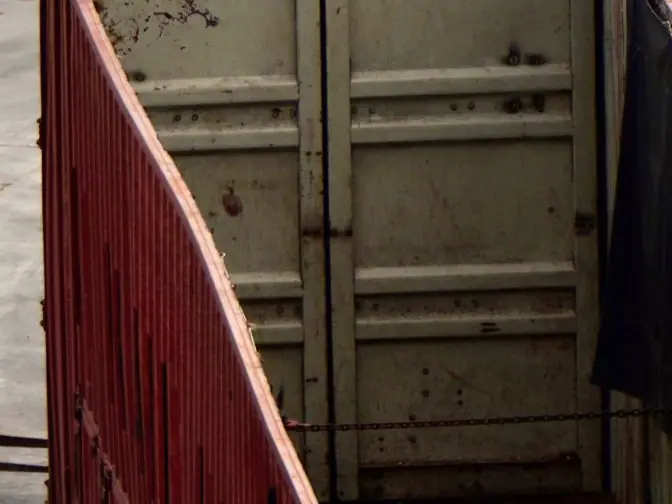
Loading
Cartons are loaded by hand and forklift into the container, braced so nothing shifts, then the doors are sealed. We send photographs of the loaded container and the seal before it leaves for the port at Semarang.
Before and after
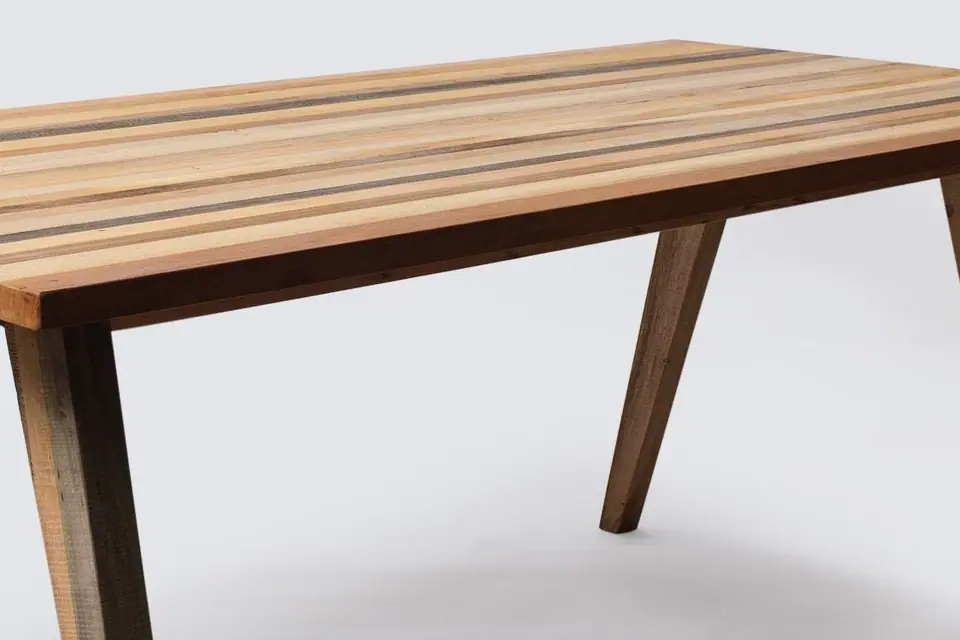
Raw board, finished top
At the bench
Hands and tools
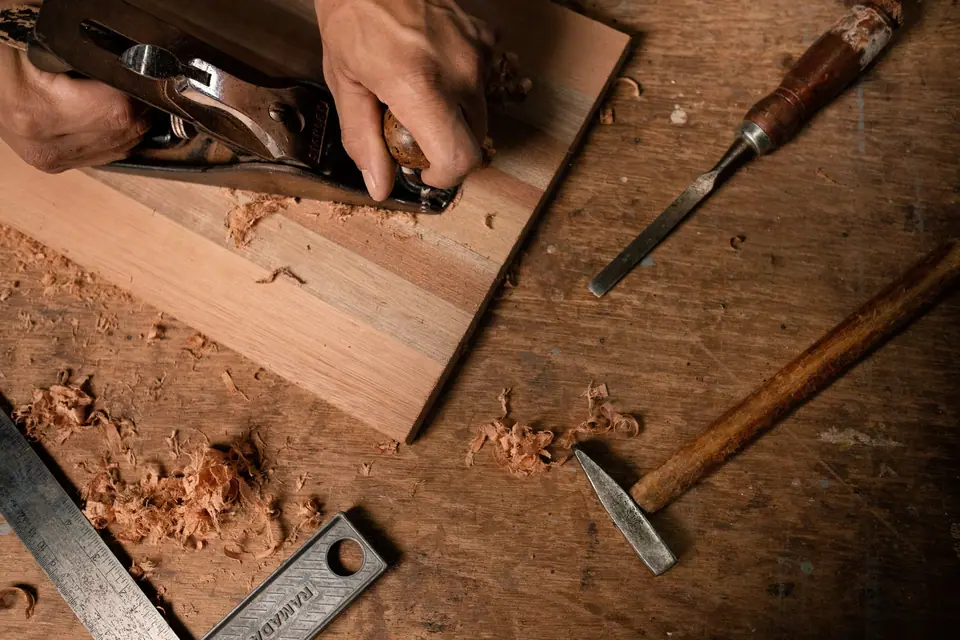
Planing 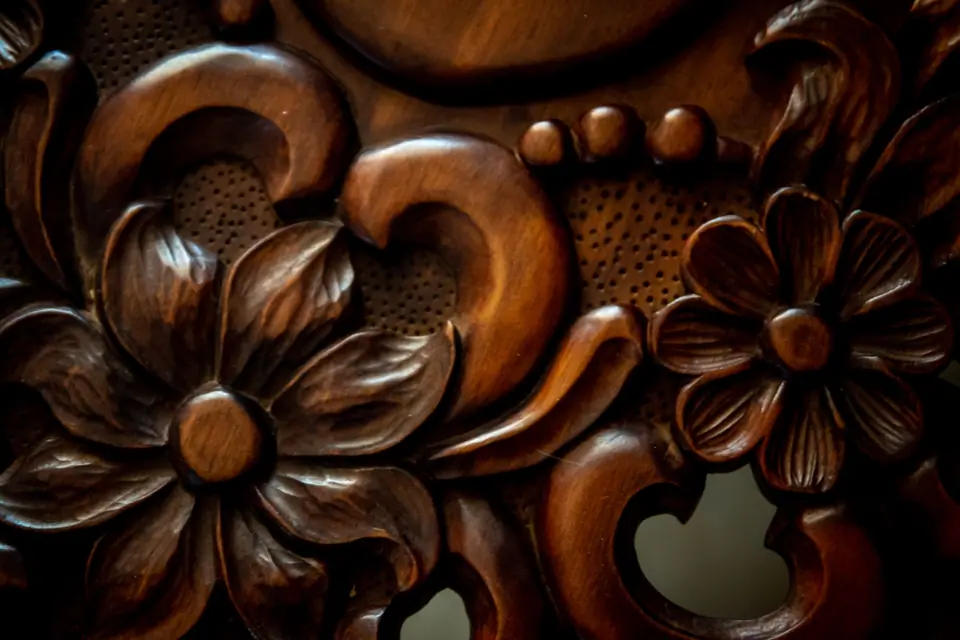
Carving 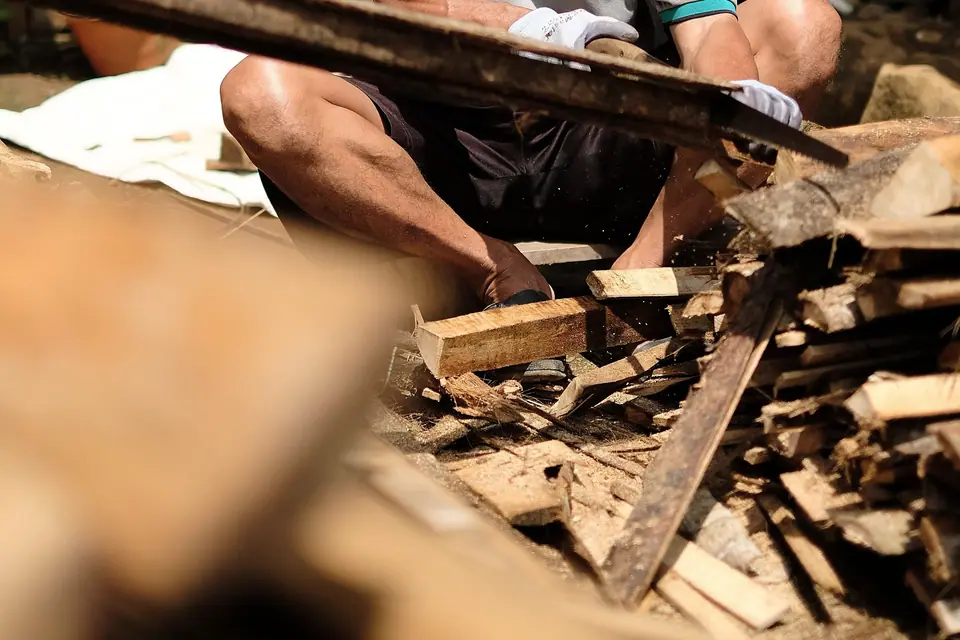
Shaping 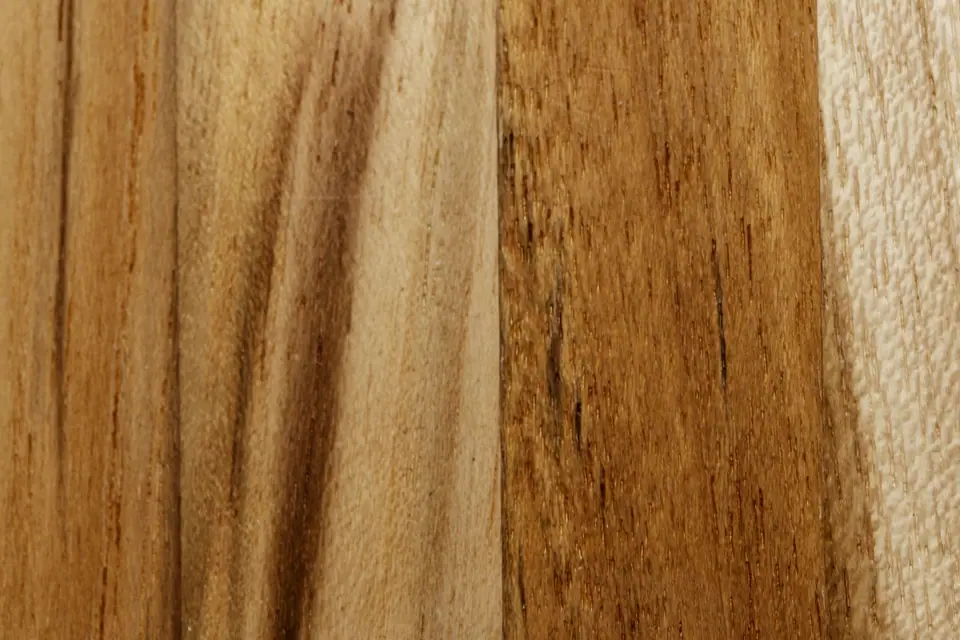
Grain
Want to see a piece through the line?
Ask for photographs of your own order at each station.